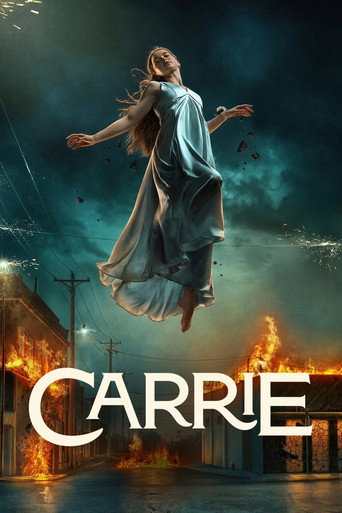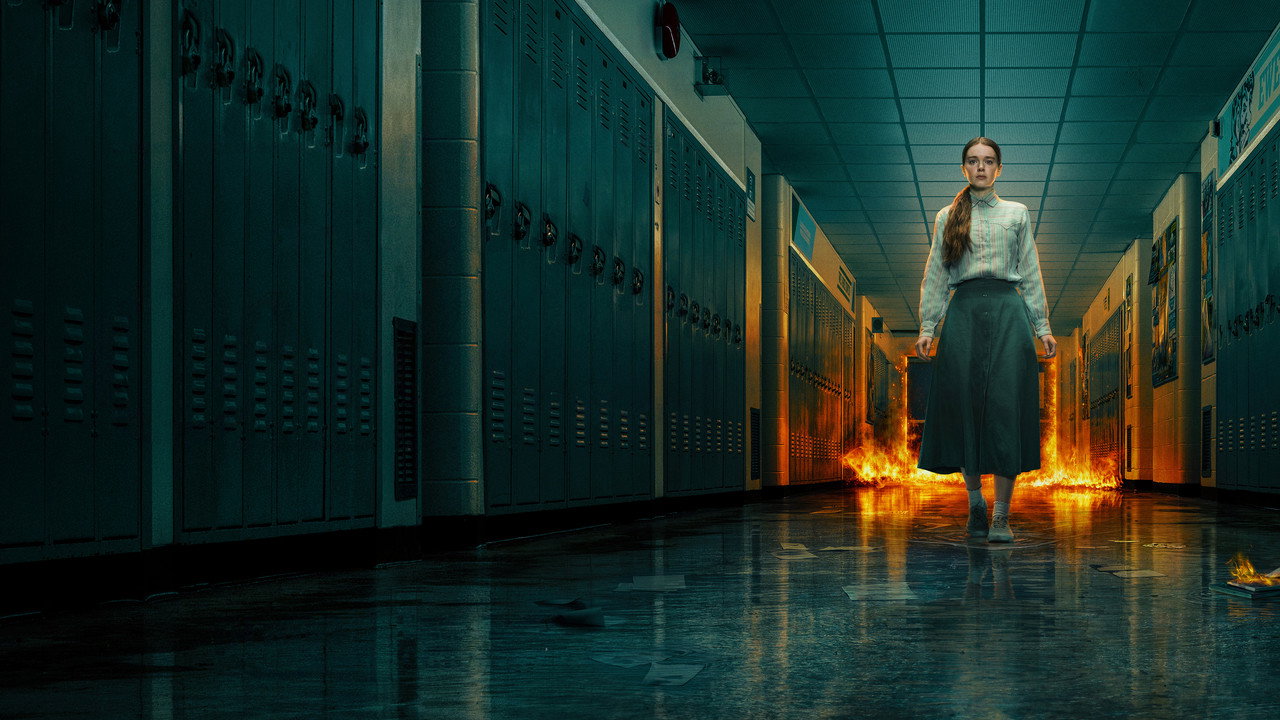
Mike Flanagan’s eight-episode adaptation of Stephen King’s Carrie premieres on Prime Video on October 7. It is the story’s first television adaptation, reports The Hollywood Reporter en Español. Summer H. Howell plays Carrie White, with Samantha Sloyan as her mother, Margaret. After her father dies, Carrie must navigate public high school, where bullying spreads online as her telekinetic abilities begin to emerge. TVLine describes the release as an eight-episode binge, and Amazon’s October lineup identifies Flanagan as the showrunner adapting King’s novel for television.
Eight episodes give the series room to make the school feel like a community, with its own pressures and bystanders, rather than a queue of bullies waiting for Carrie. The online setting offers a pointed way to depict isolation: humiliation can follow a teenager beyond the place where it began. That idea earns its place if it shapes the characters’ ordinary lives, not just the show’s topical credentials.
The format brings a risk, too. A film can tighten its grip as events gather force; a season has to hold attention across a longer stretch. Extra episodes might give relationships and consequences room to develop. They might also make dread feel like an appointment the story keeps postponing. The premise already has a volatile clash between a teenager discovering her powers, a protective mother and a hostile school. More time should sharpen those forces, not keep them circling one another.
The adaptation has a useful test: does it make Carrie’s world convincing before it becomes unbearable? If so, the television format has done real work. If the added hours only delay the familiar collision, even the prom will feel a long way off.