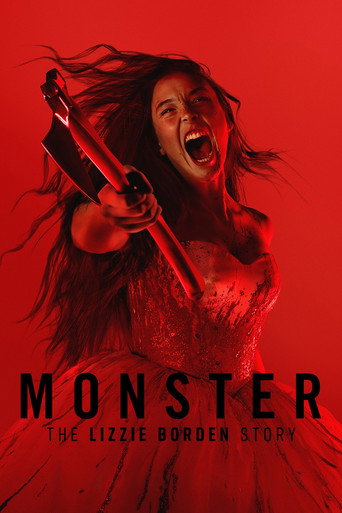
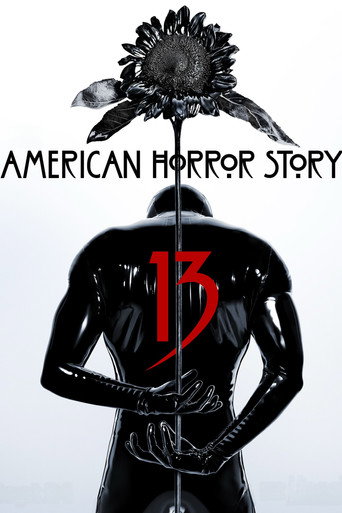
Ryan Murphy’s television career has made authorship look less like a solitary signature and more like a system of permission. In a Vanity Fair profile, Murphy describes a sprawling slate that includes Love Story, Monster and American Horror Story, while acknowledging that many projects came from other people who needed help getting them made. He says his role was often to believe in those pitches and get them through the system.
That account complicates the familiar image of the all-powerful showrunner. Murphy says he still gets many rejections from studio partners, and that a project can be made only to go unmarketed. His influence is real, but it depends on institutions willing to fund and sell the work. A green light is a kind of authorship; so is the power to decide whose idea gets one.
Murphy’s stated artistic through-line is making outsiders central. He connects that impulse to his own sense of being an outsider and to the writers he works with, including younger collaborators who want their stories told within the system. The model has an appealing generosity: a powerful producer can lend access to people whose projects might otherwise stall. It also makes credit harder to locate. A shared sensibility can shape a show without making every show the same person’s creation.
That tension matters for viewers. Murphy’s name can signal a particular appetite for heightened, provocative television, but it can also flatten the work of the writers and collaborators he says he supports. His own description points toward a more useful way to read the brand: as a network of taste, advocacy and industrial leverage. The best measure of that influence may be who gets to tell a story under its shelter, and whether the finished work still feels like theirs.