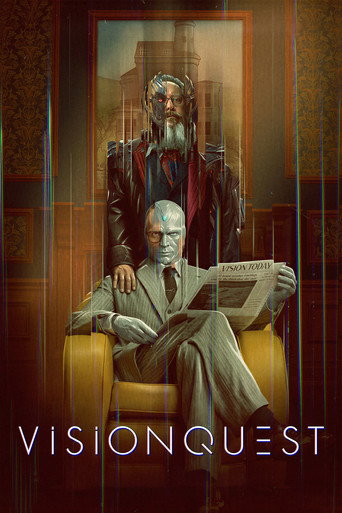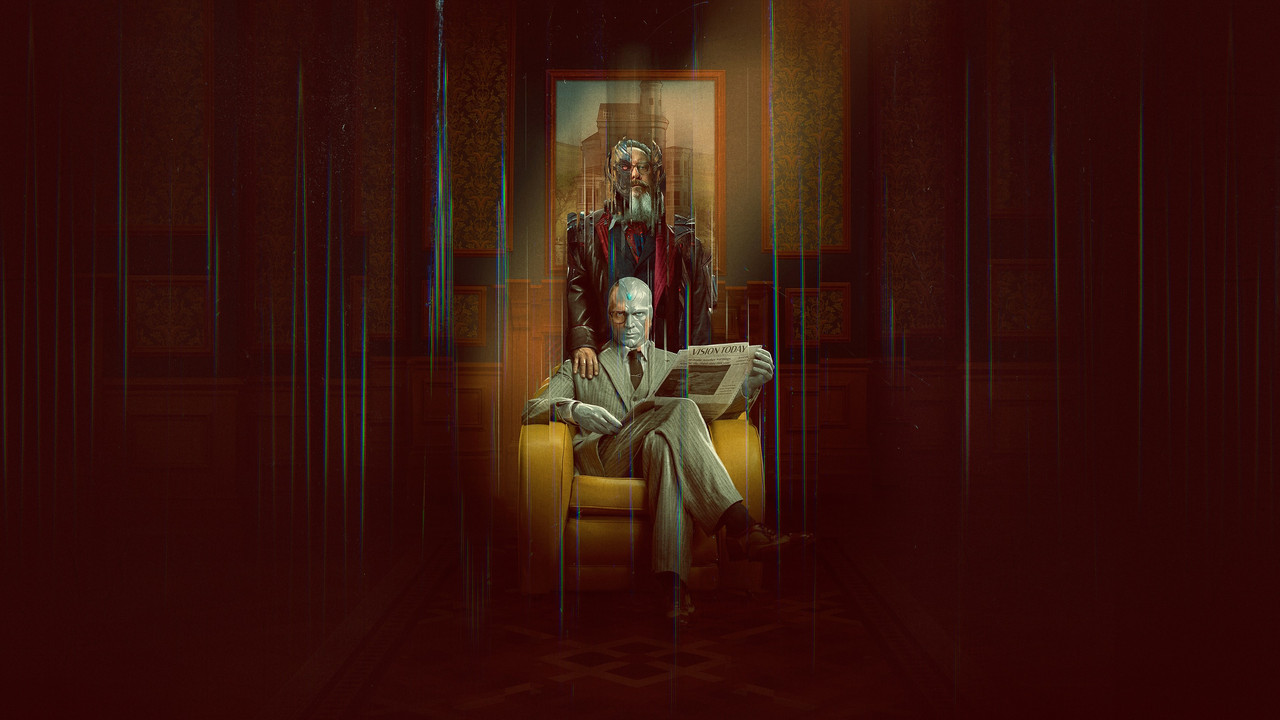
Vision’s identity crisis has an unusually crowded address. In its first-look review, The Daily Beast describes the Disney+ series, debuting October 14, with Vision living incognito in Edinburgh and retreating at night to a digital English manor shared with several artificial intelligences. Ultron lives in the loft. A Scottish street kid, Thomas, is troubled by the possibility that he might be Vision’s son Tommy, a premise the review calls seemingly impossible given the story’s history.
That household gives an abstract search for identity some useful friction. Vision has to contend with what other people think he is: Ultron presses a father-son bond, while Thomas fears he may be connected to him. The family question can surface through loyalties and arguments, instead of arriving solely as another explanation of the machinery.
The review says the series sometimes makes characters spell out its complicated premise and suffers from techno-babble. It also credits Paul Bettany with giving Vision’s moral confusion emotional weight. Those weaknesses point to a genuine risk: a story about an artificial mind can mistake technical vocabulary for insight. Its better material seems to lie in the relationships that test whether Vision can know and connect with anyone at all.
Ultron is a particularly useful complication. The review describes him as sarcastic and malevolent, with motives and allegiances that stay unclear for much of the run. A housemate who may be manipulating Vision gives the domestic setup teeth; he is also a much livelier obstacle than a lecture from the system settings.
The Daily Beast says the series remains closely tied to WandaVision and the Avengers films, while focusing on finishing its own narrative instead of laying groundwork for future adventures. That focus is a sensible choice for a character story. Vision’s household already has enough unfinished business to keep the rooms occupied.